It’s been 30 years since California made medical Cannabis become a reality for the first time anywhere!
In 1996 the voters of California deemed Cannabis to have medicinal use with proposition 215. Fast forward or rewind back in history; you will have two different landscapes of how Cannabis is viewed, used, processed, and everything else in between.
Let’s look in the rear view of any kind of decriminalized Cannabis first to really appreciate what we have today. Before there were dispensaries there was your dealer… that guy or gal (generally a guy I always dealt with) that had connections to someone who either grew or had access to a quantity of weed to sell. When that guy ran out of of weed, or sometimes he just didn’t call you back- you had to find your buds other ways or through another friend/ dealer. To go a step further, there were rules and procedures in order to get your weed and it was always sketchy and somewhat worrisome to think that somewhere there could be someone in the neighborhood that was about to drop a dime (call police) on your dealer and a whole swat team would come in and raid the place.
It was certainly an adventure to “re-up” your supply. Generally in the beginning you would measure your stash by numbers of fingers width of the sandwich bag it was sold to you in. Later, some of you may remember your dealer having a scale to weigh it out, especially when the “chronic” was an option outside of the dusty seedy stuff. The early 90’s was a great time to discover Cannabis. That’s when this author fell in love with Cannabis. Of course then we called it weed, herb, pot, bud… the word marijuana never set well with me, it always felt wrong and kinda dirty.
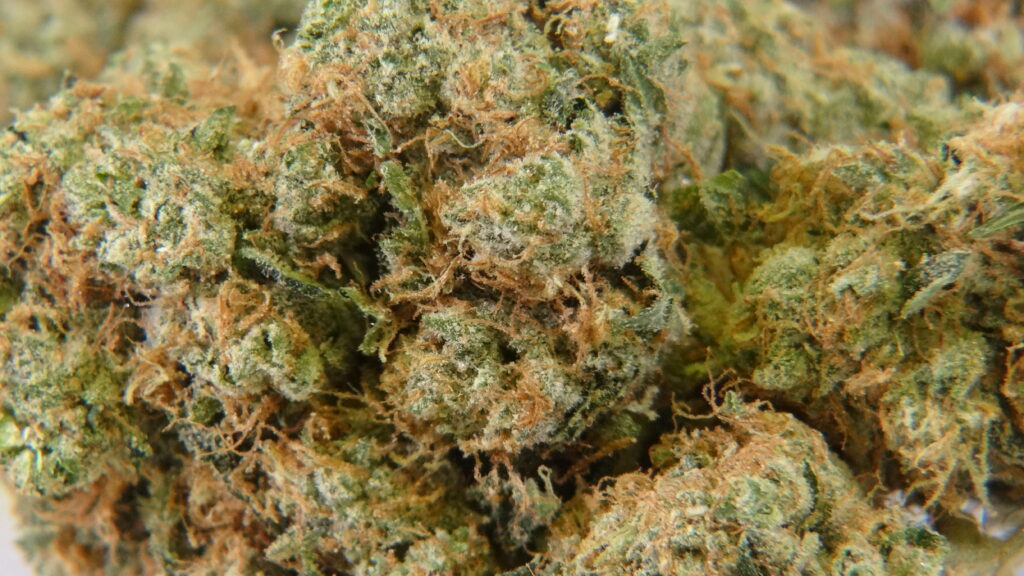
Sticky Chronic Buds
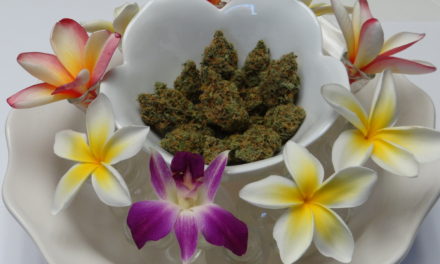
“The Chronic” introduced us to that sticky no seedy way of life.
Out were the days of that brown brick weed that had all those seeds and massive stems to sweet skunky funky sticky good stuff. I was in my first year in college when I found an ad somewhere in a magazine talking about volunteering for people to register voters and gather signatures for proposition 215, also known as the compassionate use act of 1996. Medical marijuana for people who needed it the most; HIV/AIDS patients, Cancer patients, Epileptics and other types of ailments would qualify to be able to “legally” be able to partake without punishment. I found my calling! This was my chance to be part of history and remove my paranoia of getting punished for enjoying what made me feel good.
So I got my supplies (ballot signature forms) and my courage to come face to face with the public to gather signatures. I hit the grocery store to gather signatures. I went and hit up the college that I attended and got a lot of signatures that way. Anywhere there were people gathering or shopping, I spent my free time collecting signatures. I even came out to my family and parents that they too needed to sign to legalize marijuana for what I was hoping would also be my use. I was of course concerned and fighting for the freedom for sick people everywhere to be able to use Cannabis as medicine… but I was also doing it for my future benefit. I can’t remember how many signatures I gathered, but it was a proud amount. A moment that would change Cannabis and its people fairly… at least that’s what we hoped for. Then came election time in 1996, for the first time in the history of this country a state decided that medical marijuana was going to be a option for patients suffering from pain, AIDS, Cancer, and more would have a choice in the future. This was ground breaking!
Then there was this period of testing the laws
From 1996 to about 2003 there was this weird period of just existing with prop 215. What did that mean? Well, it was allowed for patients that were granted permission or recommendation from their doctor to use Cannabis for their illness or disease. The bill had a lot of permissions and restrictions in it, many people interpreted the bill incorrectly but acted like they knew better. SB420 opened up the conversation with “collectives or co-ops” which basically gave a caregiver (grower) the ability to grow for a patient within their city/ county. At the very least it allowed what created a wild west of stores that acted as “caregivers or a collectives” that patients could participate in.
The medical years in California were wild, they also opened the idea of what would become a dispensary model for the state and many states to follow. If you’re in Colorado, New Mexico, Arizona or really any other state that came after California’s medical marijuana, your dispensary is a knock off of the medical Cannabis collective in California. There was a uneasy and dangerous element during medical use due to the Feds getting involved in raiding these collectives and coming in with full gear and guns anytime. This made patients and caregivers even more paranoid and cautious of operating storefronts. This was the life in the interim of adult use aka “recreational Cannabis” in 2018 in California. It was an uncertain time and yet a creative period also when collectives were creative in how they looked and operated. Many cities took over a decade to get any program for licensing the collectives. There were two distinctive communities in California that were shaping the culture of the collective, Los Angeles and San Francisco/ bay area. Each metro had groups of activists and collective operators that formed trade groups or support groups so that best practices for operations were being developed.
The birth of GLACA, the first medical Cannabis trade association of its kind in the world.
In Los Angeles many co-op’s or collectives (same thing different names) joined forces with a group called GLACA, it was short of Greater Los Angeles Collective Alliance. This group of collective operators worked together to look after each other and work together to help establish friendly relations with the city of LA and advocated for proper licensing. This group was responsible also for establishing a set of operational guidelines that would set member collectives apart from other pop-up pot shops that were constantly opening up throughout the city. At one point in LA, there were most likely over 1,600 store fronts and with a city moratorium of only 187 collectives being recognized by the city at the time.
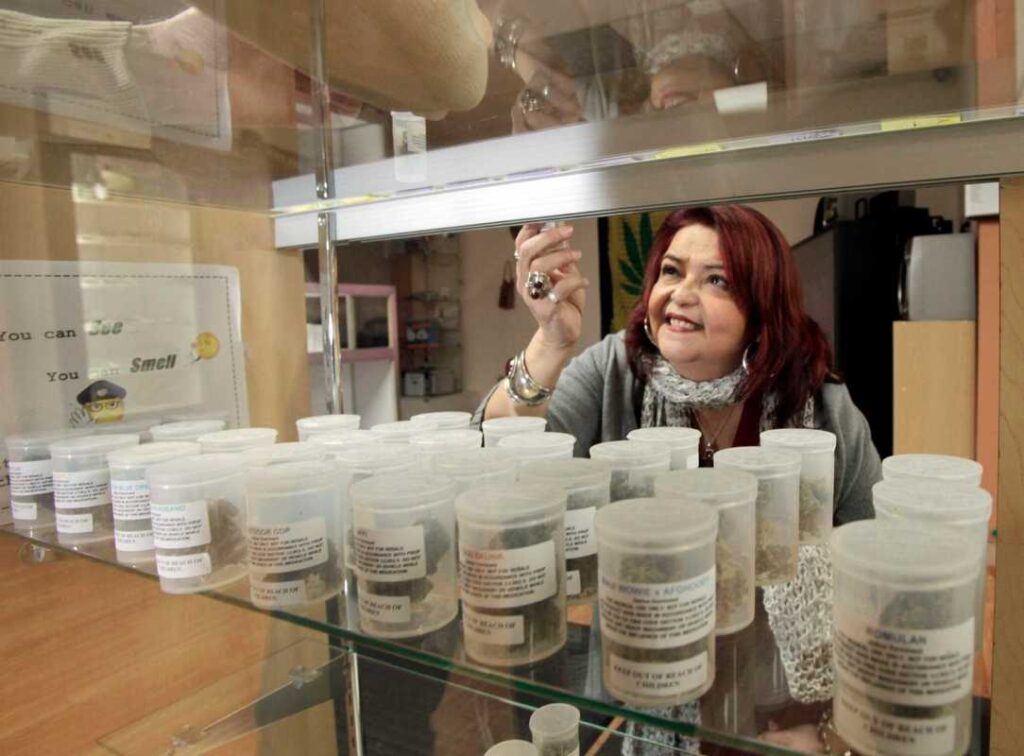
Yamileth Bolanos, Pure Life Alternative Wellness Center & Founding member of GLACA. (AP Photo/Reed Saxon)
Eventually there were two sides of operators in LA, those that were originals (the recognized 187 pre-ico collectives) and everyone after that. The fuckery continued for many years, even after Cannabis became legal in California, there were hundreds of unlicensed shops operating illegally. Probably even today you can find an off shop that is a bit sketchy operating in the shadows of old abandoned business suites or buildings in less conspicuous places to avoid being shut down. At one time all 187 pre-ico shops came together for a meeting to fight the Feds from interfering with operations. Out of that number there were 132 collective members of GLACA. This is historical and their actions and procedures for safe access led the birth of an industry.
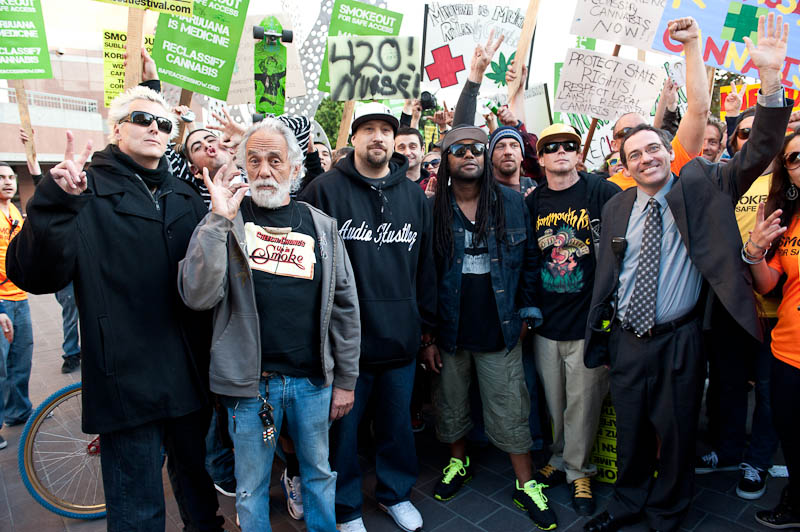
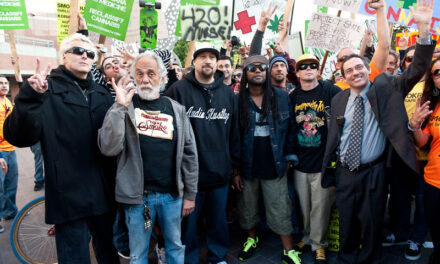
Smoke Out For Safe Access Rally with Cypress Hill, Tommy Chong, Kottonmouth Kings, Fashawn, MC Supernatural and others at City Hall and The Federal Building on March 1, 2012 in Los Angeles, California.
California legalized Adult use of Cannabis in 2018.
Even though California had come first with medical Cannabis, other states opened up “recreational adult use of Cannabis” before the golden state. Those states were Colorado and Washington in 2012. California attempted to legalize in 2010, but there were those that didn’t like the wording or restrictions or not enough for it to pass the ballot. Unfortunately it would take until 2018’s election to get prop 64 passed in California which in this author’s opinion was far worse than 2010’s prop 19 offerings. The restrictions, the criminalization in some cases it created that were not criminal before and so many other regulatory restrictions really made 64 a problem for an infant industry. The taxation alone is one to cry over! We call the medical days the good old days because at least back then it wasn’t taxed unfairly. You either paid a city tax if you were in LA maybe, or nothing at all.. which if you do treat Cannabis like medicine that it is, no tax should be imposed.
You don’t pay tax on Vicodin or any other prescription drugs, so why Cannabis. Today in LA, the combined tax on Cannabis is upwards of a total 37% or in some parts even greater! The state got especially greedy with not only taxing an excise tax of 15%, but then add on state sales tax, city taxes and any other tax they add on and there went your money for your meds. If you think it’s better with medical, you need to pay the state’s fees of at least $100 and still get a doctor’s recommendation (some places as low as $39.00) in order to opt out of the excise tax only. It’s criminal what the state has done to Cannabis, their residents, the patients and the industry that has yet to get in the black on the books for long. Most Cannabis stores, brands, farms, and in between are struggling to stay operating. This is not the money maker industry that many want you to believe. Most dispensaries in California are just getting by, not getting rich. Now that I’ve totally bummed you out, let’s look forward into the present and into the future.
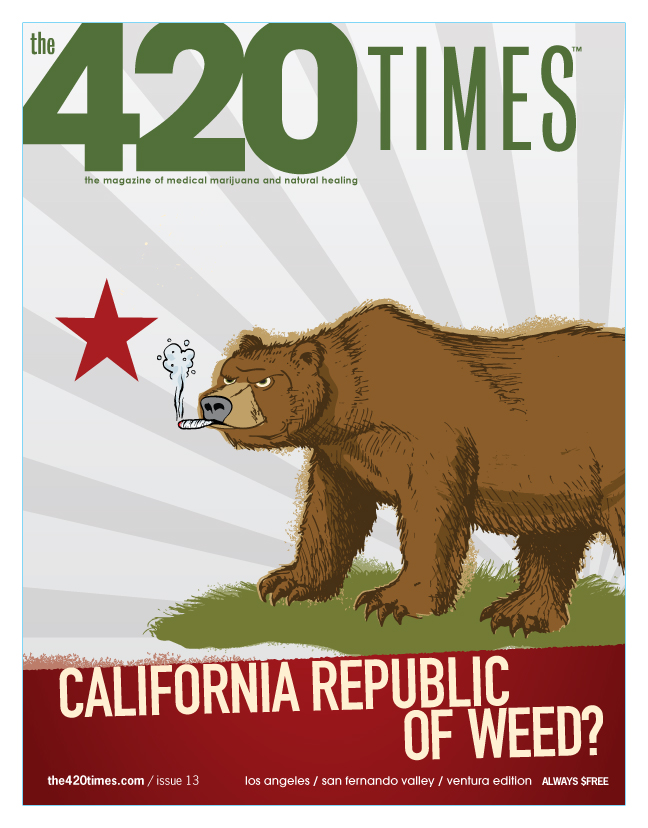
What does Cannabis legalization or even better, what does de-scheduled Cannabis look like?
This is the big question we all have. On December 18, 2025, President Trump signed an executive order directing the U.S. Attorney General to “expedite and complete” the process of reclassifying marijuana from a Schedule I to a Schedule III drug under the Controlled Substances Act. What this means in the future is anyone’s guess. How does this effect medical, recreational, stores, and beyond? If you speak with any long time Cannabis activist like many, they want to see it completely removed form the Controlled Substances Act entirely. By de-scheduling the plant, it opens up opportunities and freedoms we have yet to really experience. As I’m writing this, I ponder when that day comes and what that will feel like; should it happen. Many of us believe that Trump is only throwing a bone to his cronies and big investment people that stand to gain from his actions- not for the people that love the plant.
In 2026, here’s what 420 looks like from an activist or advocate position and where we’re at:
United States: Adult-use is legal in 24 states (plus D.C.), while medical use is legal in 38 states. Tax Revenue: Since 2014, states have collected over $25 billion in adult-use tax revenue. Employment: Supports approximately 425,000 full-time jobs.
According to industry insider, Flowhub; The Economic Impact: In the U.S. alone, the industry added an estimated $149 billion to the economy in 2025 through job creation and local stimulation.
World Wide: Approximately 50 countries have legalized cannabis for medical use, while full recreational legalization exists in a growing but smaller subset of nations including Canada, Uruguay, and Germany. Total Revenue: Forecasted to reach approximately $79.5 billion globally this year. User Base: There are an estimated 244 million cannabis users worldwide, representing roughly 4.7% of the global adult population (I think this number is low because you have millions that probably won’t admit their use for legal or other reasons).
Conclusions and Thoughts for Today, 4/20 2026.
We all opened Pandora’s box with legalization, so only the future knows where things will go. One thing is for sure, the fight is far from over! Just because you can confidently walk into a store front and buy all your Cannabis products and enjoy them (only according to your government’s guidelines) doesn’t mean that the battle is over. In fact, we need to keep recruiting advocates, activists and encourage our politicians to treat this plant with more respect and give the people the freedom to do with it as they will. Regardless of your religion, this plant is on the planet for a reason, and your body has an endocannabinoid system that facilitates your body’s response to the Cannabinoids that the plant has. Cannabis is God’s or mother nature’s gift to all living beings with the endocannabinoid system. Enjoy the peace and peace of mind that comes with it.
Happy 420 all, stay Cannapolitan and remember to pass that joint to the left hand side and don’t fuck up the rotation!
Peace, love and Cannabis!
Yours,
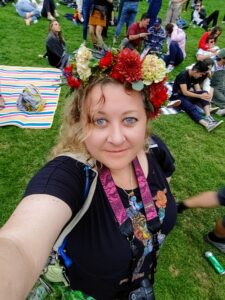
Wildflower, Editor in Chieftess of Cannapolitan.
P.S. If you’re looking for suggestions on the hottest and dankest Cannabis brands and products, be sure to check out our entire site including a dedicated section of 420 exclusive features to discover your next best hit with. We have something for everyone’s Cannapolitan needs!